
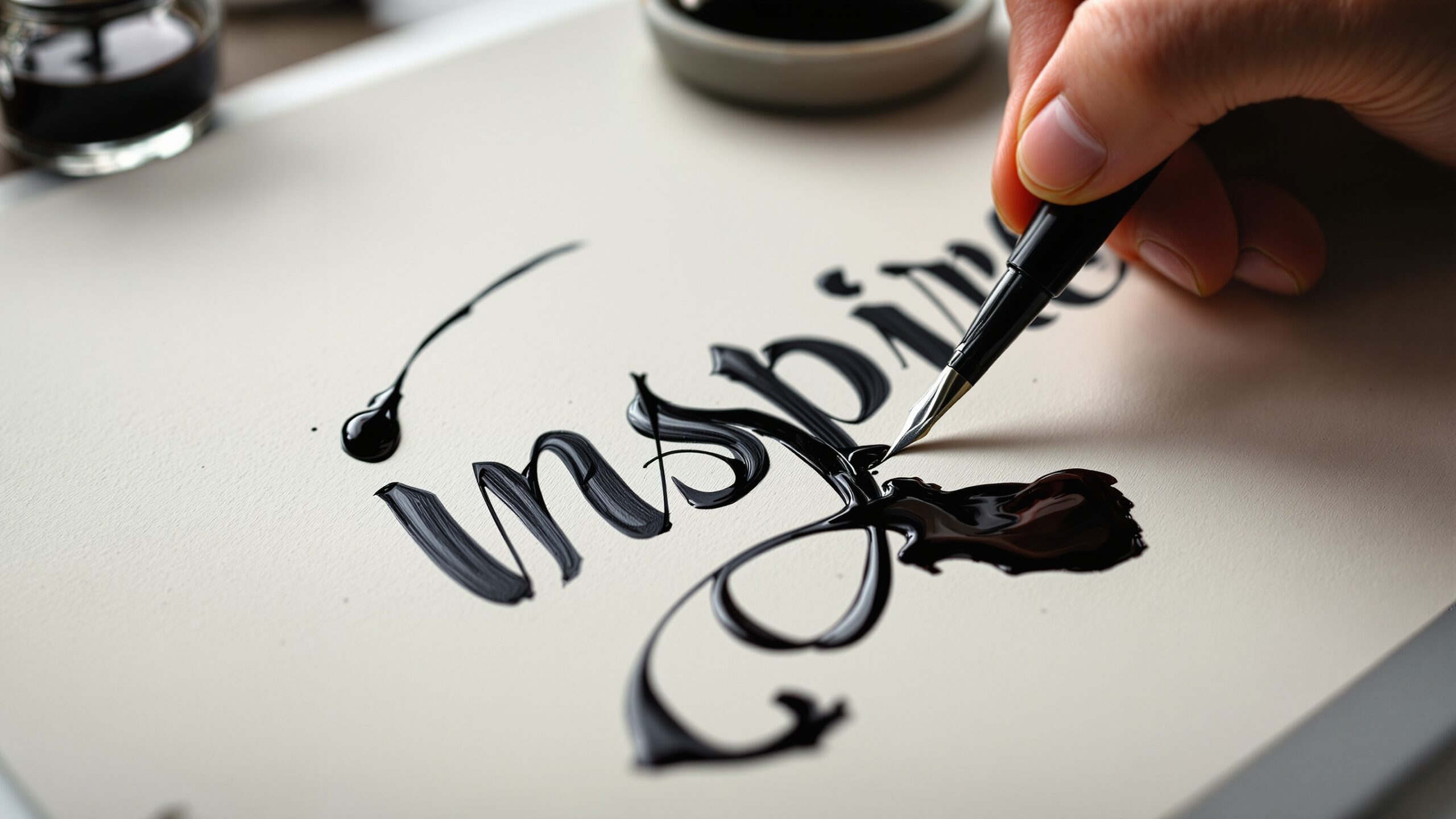
In Interviews and Creator Spotlights, Letter Streets brings you inside the minds, studios, and stories shaping today’s vibrant letter culture. This subcategory is dedicated to in-depth conversations with typographers, calligraphers, hand-lettering artists, muralists, sign painters, font designers, and creative entrepreneurs who are redefining the art of lettering across digital and physical spaces. Through exclusive interviews and thoughtfully crafted creator profiles, we explore the techniques, tools, inspirations, and philosophies behind standout typography, custom lettering projects, branding systems, and experimental type design. Readers gain rare insight into creative workflows, sketch-to-screen processes, studio setups, career pivots, and the evolving business of letter-based art. Whether you’re a designer seeking professional insight, a lettering enthusiast looking for inspiration, or a creative founder building a brand rooted in strong visual identity, these creator spotlights deliver actionable wisdom and behind-the-scenes perspective. Discover how today’s most innovative voices in typography and hand lettering transform ideas into iconic letterforms—and how their journeys can inform your own path in the world of letter culture.
A: Typically 2–6 weeks depending on complexity and materials.
A: Vector files (AI, EPS, SVG) ensure scalable clarity.
A: Most begin with hand sketches before digital refinement.
A: Powder-coated metals, treated wood, and UV-stable acrylics.
A: Critical—illumination defines visibility and mood.
A: Custom logotypes can be trademark-protected.
A: Ignoring spacing and readability at scale.
A: Based on materials, labor hours, and design complexity.
A: Yes—especially for boutique and heritage brands.
A: Honest storytelling, process insights, and visual portfolio depth.