
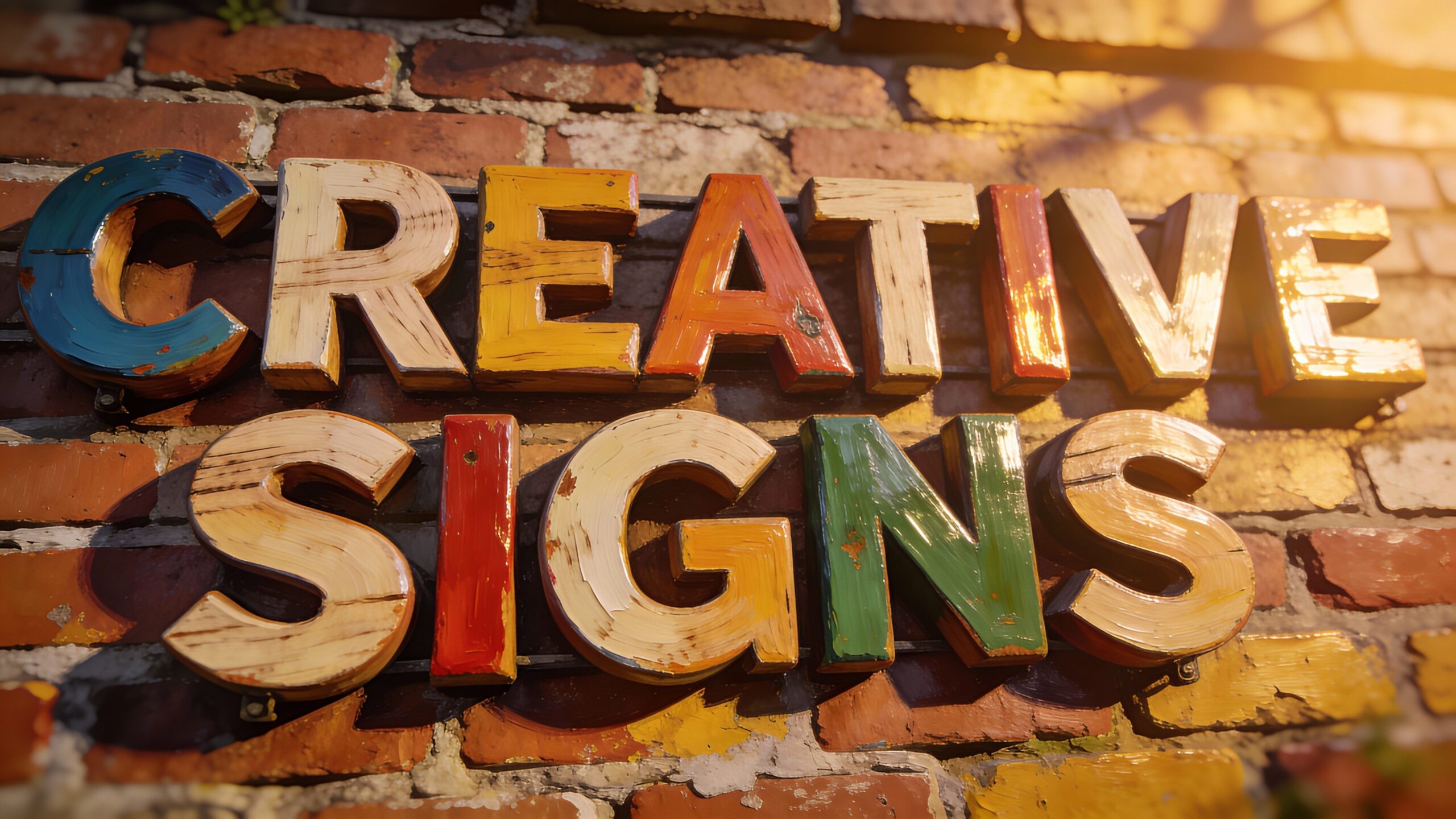
Painted and Airbrushed Letters bring signage to life with bold color, smooth gradients, and handcrafted character that digital prints simply cannot replicate. Within the Letter Streets “Painted and Airbrushed Letters” subcategory, readers explore the artistry, techniques, materials, and creative possibilities behind custom-painted lettering used in storefront signs, murals, event displays, vehicle graphics, and decorative installations. From traditional brush lettering and enamel paints to modern airbrush effects that deliver flawless fades and vivid realism, this section dives deep into how skilled artists transform surfaces into eye-catching works of visual communication. Discover how different paints perform on wood, metal, glass, walls, and dimensional letters, along with tips on durability, weather resistance, color blending, and maintenance. Whether you are a sign maker, designer, business owner, or lettering enthusiast, these in-depth articles highlight the craftsmanship, history, and evolving trends of painted and airbrushed signage. As part of the Letter Materials collection, this subcategory celebrates the timeless appeal and modern innovation behind hand-finished letters that captivate attention and elevate any space.
A: Airbrushing is smoother; hand painting offers character.
A: Enamel or exterior-grade acrylics.
A: Yes, for durability and clean coverage.
A: Yes, with masonry-safe paint.
A: Use quality tape and sealed edges.
A: UV-resistant acrylic sealers.
A: Yes, with blending techniques.
A: Most plastic stencils are.
A: Typically 24–72 hours.
A: Yes, after sanding and priming.