
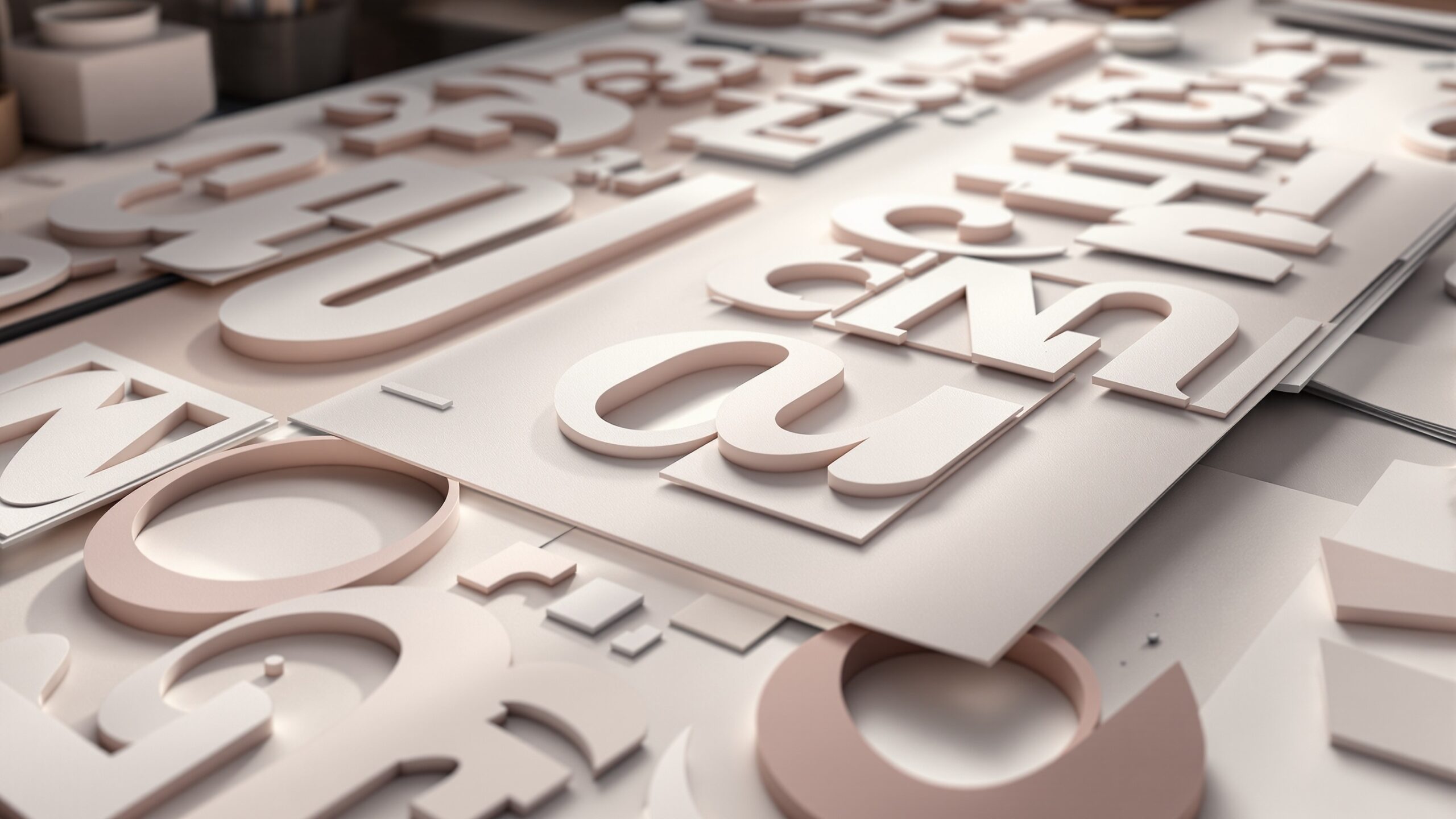
The A–Z of Lettering Styles is your all-access gateway to the remarkable world of letterforms, where creativity, culture, and craft converge in every curve and stroke. This collection brings together centuries of typographic innovation— from the graceful elegance of classical scripts to the bold geometry of modern display styles—inviting readers to explore how letters communicate far beyond the words they form. Each entry in this A–Z library uncovers the personality, history, and visual rhythm that define a style, offering insights into how designers, calligraphers, and artists transform simple shapes into expressive storytelling tools. Whether you are decoding the architecture of Blackletter, admiring the fluid movement of Brush Script, or studying the meticulous structure behind Serif and Sans Serif families, this directory provides the vocabulary, inspiration, and expertise you need to elevate your work. Designed for creators of every level, the A–Z of Lettering Styles celebrates the beauty of letters in all their forms—unlocking endless possibilities across design, branding, art, and beyond.
A: Bold sans serifs or high-contrast scripts with durable materials.
A: About 1 inch height per 10 feet of viewing distance is a good rule.
A: Yes—if the stroke details remain visible at a distance.
A: Clean geometric sans serifs adapt well across contexts.
A: Use two families max; emphasize contrast in weight or style.
A: Absolutely—when kept thick enough for visibility.
A: Yes—oversized type often needs tighter spacing.
A: Laser-cut acrylic, metal, and CNC-carved wood.
A: Maintain original aspect ratios; avoid stretching type.
A: High-contrast pairings—dark letters on light backgrounds or vice versa.