
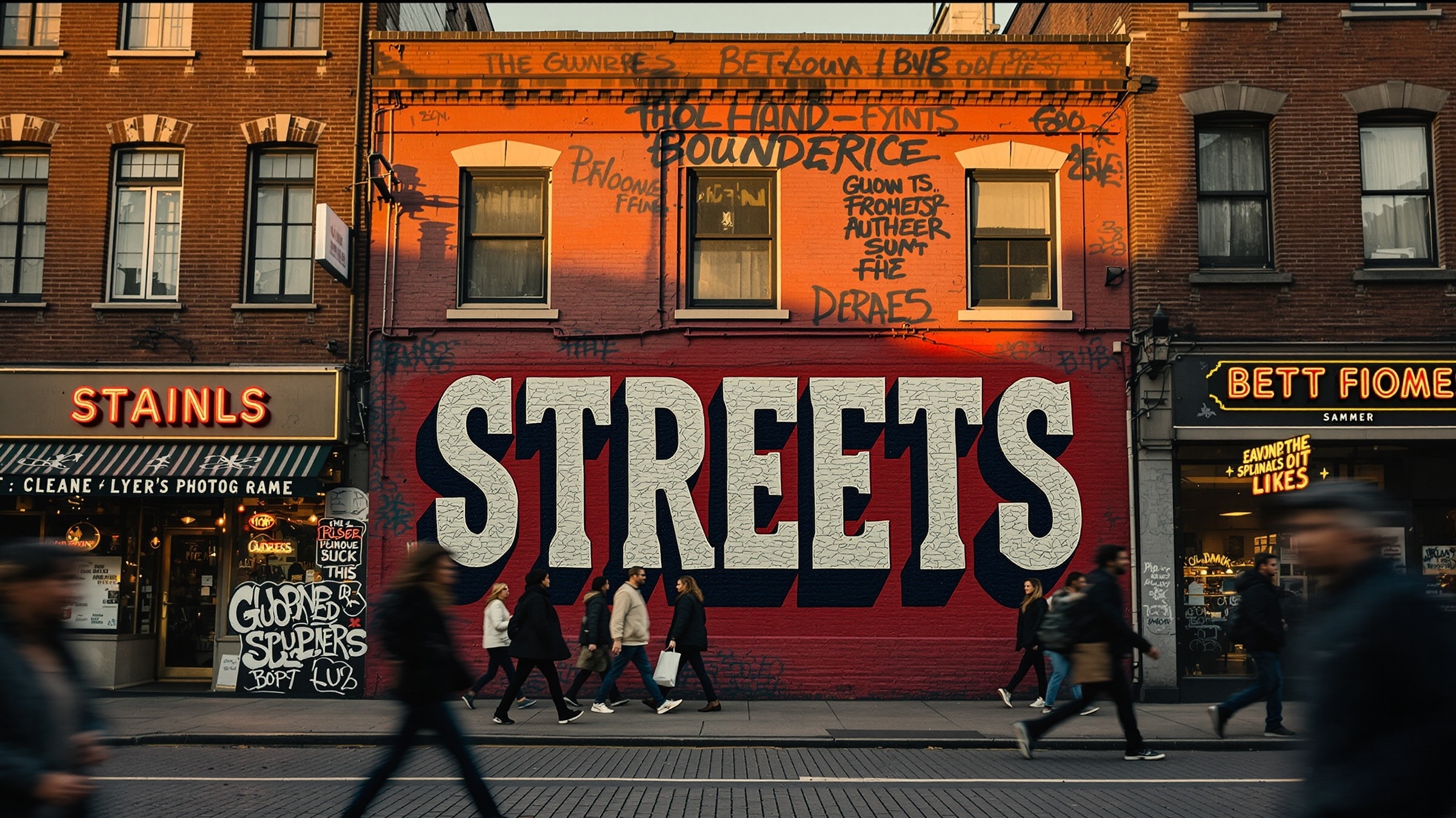
Street Typography Stories explores the living history written across city walls, storefront signs, alley murals, transit systems, and handmade lettering that shapes the visual identity of urban culture. Within Letter Streets’ Letter Culture collection, this subcategory dives into the powerful narratives behind street typography—from vintage hand-painted shop signs and graffiti lettering movements to modern mural typography and experimental public art installations. Every curve, stroke, and serif carries a story of community, rebellion, craftsmanship, and creative expression rooted in real places and real voices. These in-depth articles uncover how typography transforms neighborhoods, communicates cultural shifts, and preserves local identity through visual language seen by millions every day. Readers will discover the evolution of street lettering styles, influential typographers and sign painters, global typography trends, and the artistic techniques that turn ordinary text into unforgettable urban storytelling. Street Typography Stories celebrates the intersection of design, history, and street-level creativity, revealing how letters become landmarks and how typography continues to define the rhythm, personality, and artistic soul of cities around the world.
A: They offer uniqueness, durability, and artisan character.
A: High contrast, simple forms, and proper spacing.
A: Many originals are public domain, but digitizations may not be.
A: Outlines increase separation from complex backgrounds.
A: Paint lasts longer; vinyl installs faster.
A: A faded historic advertisement preserved on buildings.
A: Using grids, chalk lines, and proportional guides.
A: Bold sans-serif or block lettering styles.
A: Handmade imperfections create visual warmth.
A: Partially—but true brush variation remains unique.