A Typographic Renaissance in the Brand World
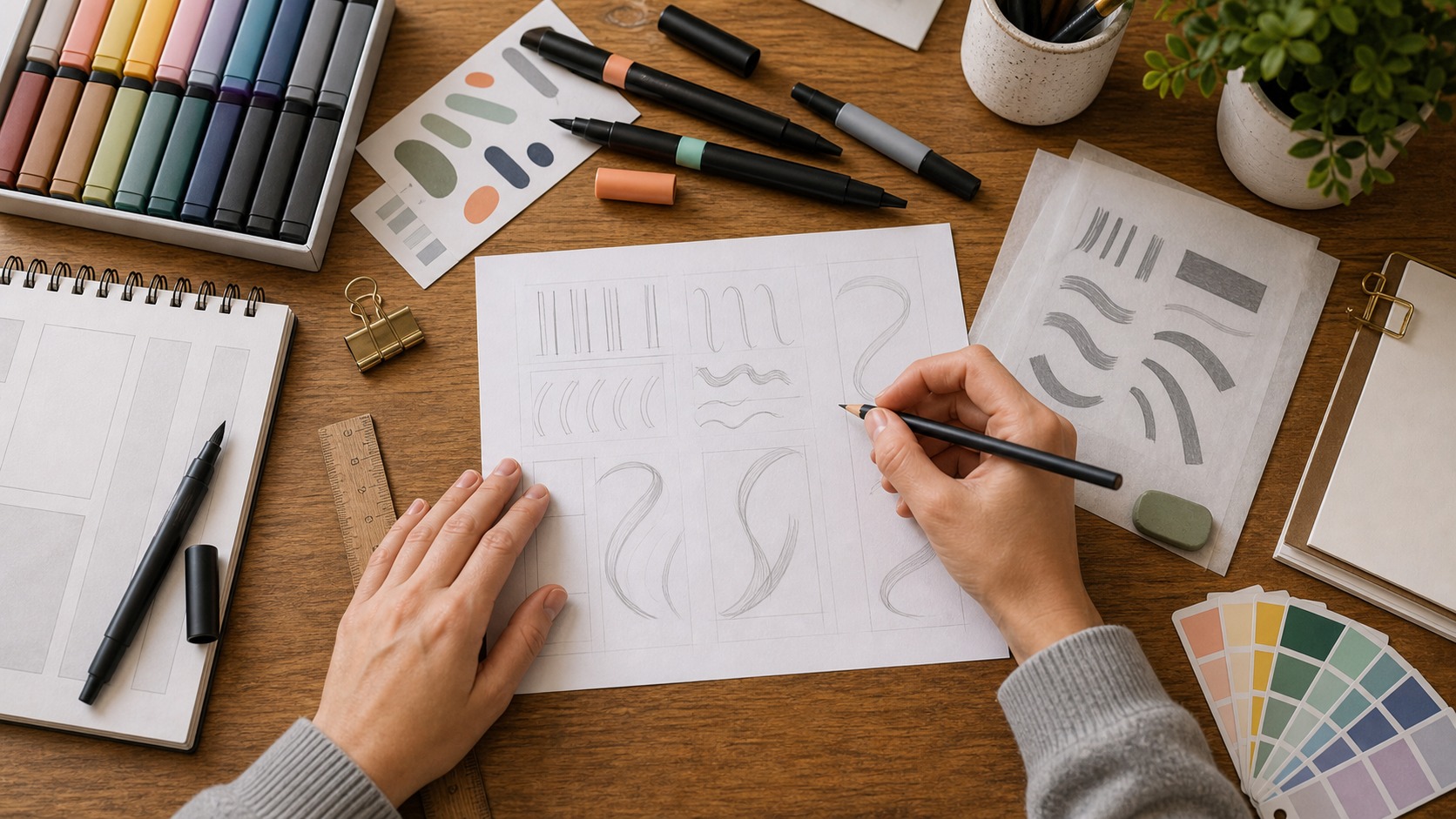
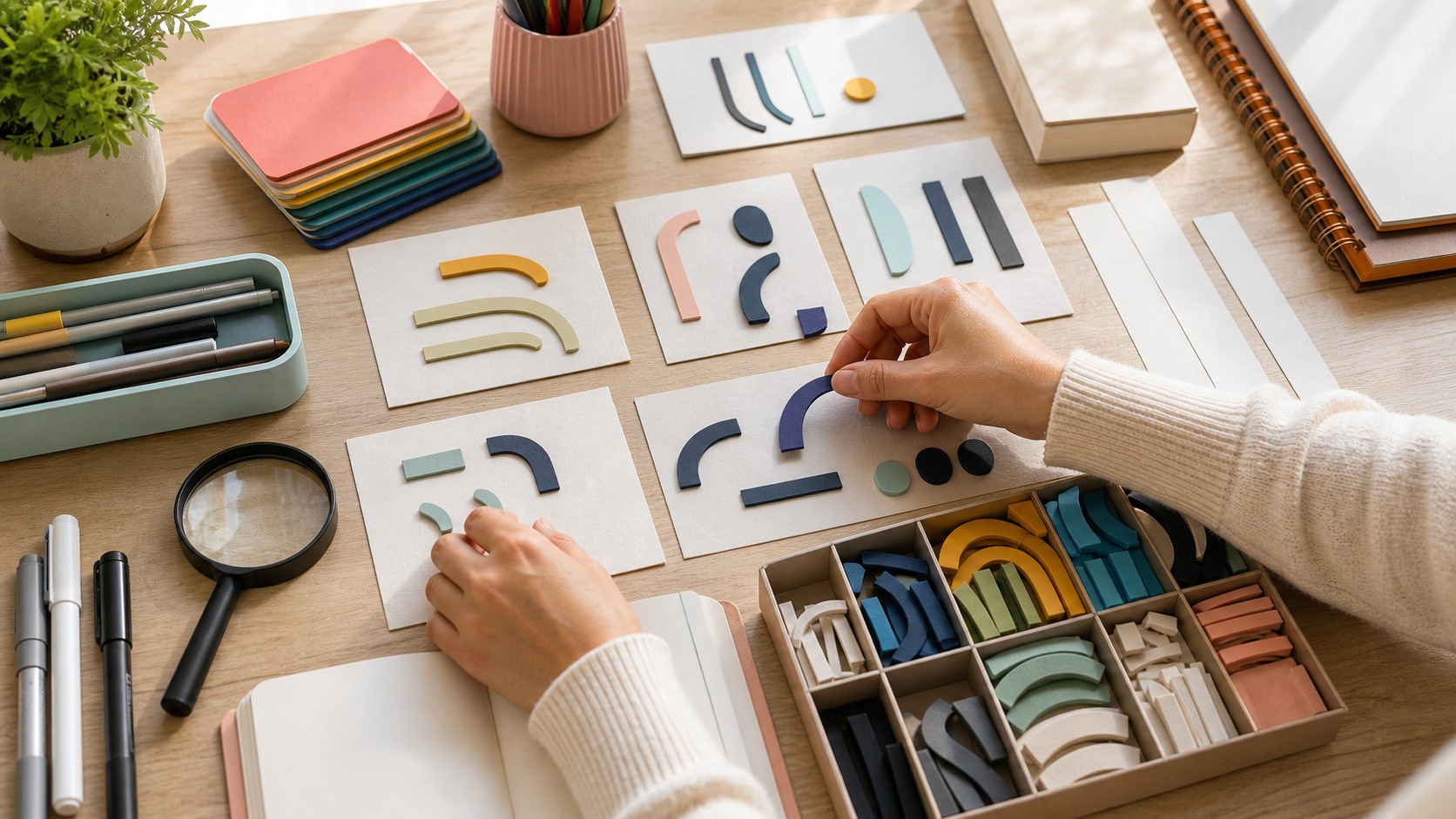
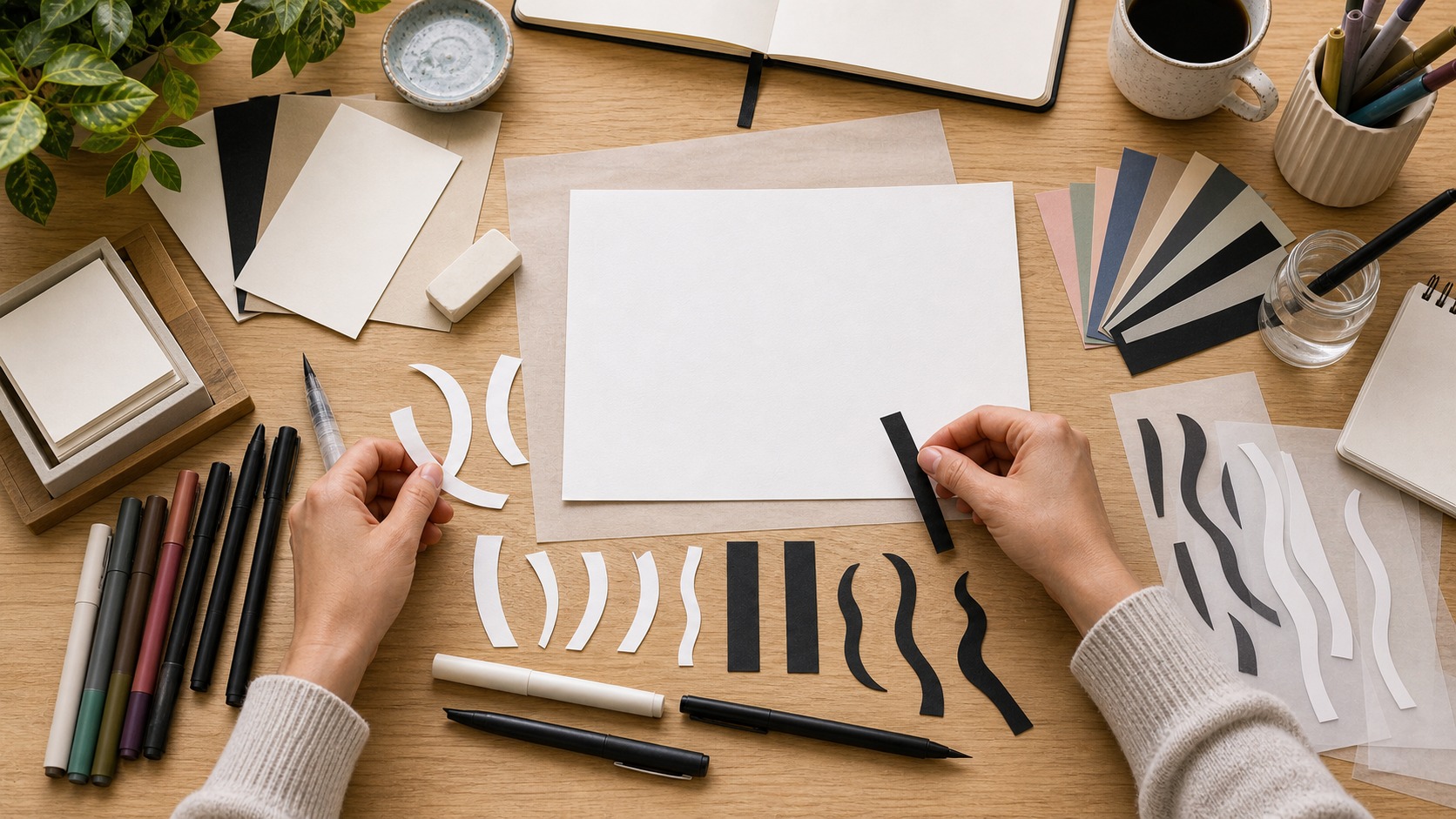
In an age dominated by digital templates, preloaded font libraries, and the mass production of visual assets, one creative discipline has emerged as an antidote to sameness: custom lettering. Once a niche craft reserved for sign painters, editorial illustrators, and typographic purists, custom lettering has surged into the mainstream as brands search for ways to carve out distinct personalities in crowded markets. No longer satisfied with off-the-shelf typefaces that any competitor could license, companies are rediscovering the expressive power of handcrafted letterforms. The rise of custom lettering in modern branding reflects a larger cultural shift—a move toward authenticity, craftsmanship, and emotional storytelling. In a digital ecosystem overflowing with content, brands are increasingly leaning on bespoke typography to signal humanity, artistry, and intent. This typographic renaissance is reshaping visual identity systems and influencing how consumers perceive, remember, and trust the brands they interact with every day.
A: It creates an exclusive visual identity no competitor can mimic.
A: Typically several rounds of drafts, refinement, and optical balancing.
A: Yes—style, texture, and line quality communicate tone instantly.
A: When crafted properly, yes—designers plan for responsive use.
A: Both work; scripts offer elegance, serifs offer timeless authority.
A: Pencil, ink, digital tablets, vector software, and calligraphy brushes.
A: Custom letterforms often qualify for trademark protection as unique marks.
A: Essential—visual rhythm and alignment affect brand perception.
A: Yes—controlled imperfection adds authenticity and charm.
A: Increasingly yes, especially for global campaigns needing cohesive typography.
The Cultural Moment Behind Custom Lettering’s Comeback
The resurgence of custom lettering is not a coincidence; it is a reflection of cultural currents that extend well beyond branding. The last decade saw a sharp rise in handcrafted aesthetics, from artisanal food products to boutique packaging and small-batch manufacturing. Consumers have grown weary of generic, mass-market visuals and are more drawn to designs that feel personal and intentional. This appetite for authenticity has created space for lettering artists to step into the spotlight and for brands to embrace the texture, irregularity, and soul that custom letterforms provide. At the same time, social media platforms like Instagram and TikTok have elevated the visibility of lettering creators, exposing millions to the beauty of hand-drawn type. Workshops, online courses, and digital lettering tools have democratized the craft, giving new artists the opportunity to showcase work that blends traditional technique with modern style. Together, these cultural shifts have set the stage for custom lettering to become one of the most significant trends in branding today.
Why Brands Are Turning to Custom Lettering for Differentiation
In competitive markets where visual noise is overwhelming, differentiation is the ultimate goal. Custom lettering offers brands an opportunity to break free from the visual monotony of commonly used typefaces. A single custom logotype can become a signature asset—instantly identifiable and exclusive to the brand that commissioned it. Unlike standard typography, which carries built-in associations and familiar patterns, bespoke lettering can embody characteristics crafted precisely for the company it represents. Whether the desired tone is bold, whimsical, luxurious, modern, or heritage-driven, lettering allows designers to shape every curve, stroke, flourish, and spacing decision with intention. This level of control supports strategy-first design, helping companies communicate values, personality, and positioning through subtle visual cues. As branding has evolved from static marks to dynamic identity systems, custom lettering has become a flexible foundation for building originality across every touchpoint.
The Emotional Power of Handcrafted Type
One of the most compelling reasons custom lettering resonates with audiences is its emotional impact. Humans instinctively respond to the nuances of hand-drawn forms—variations in stroke width, unique shapes, and subtle imperfections signal that something was made, not generated. Digitally produced assets can feel cold, mechanical, and overly predictable, whereas lettering carries warmth and human presence. This emotional quality allows brands to build deeper, more memorable connections with consumers, especially in categories where trust and personality matter. A custom script, for example, can evoke nostalgia and craft, making a product feel rooted in tradition even when the company is new. A sharp geometric wordmark can project innovation and confidence. When created with a clear understanding of psychology and brand narrative, lettering becomes a tool for shaping emotional resonance and guiding consumer perception long before any words are read.
From Logotypes to Lifestyle Brands: Expanding Applications of Custom Lettering
Although custom lettering first gained popularity through logotype design, it has quickly expanded into full-scale visual identity systems. Modern brands apply lettering across packaging, environmental signage, digital interfaces, merchandise, and motion graphics. This holistic use of bespoke type helps create an immersive and cohesive world around the brand. Lifestyle brands, in particular, have embraced lettering to develop aesthetic universes that feel lived-in and distinctive. Food and beverage companies use lettering to communicate ingredients, flavor profiles, or handmade qualities. Fashion brands employ expressive letterforms to signal exclusivity, trend leadership, or avant-garde creativity. Even tech companies are incorporating lettering into interfaces and promotional materials to soften their aesthetic and stand out among minimalist competitors. As consumer expectations shift toward more experiential and story-driven branding, custom lettering provides a powerful anchor for building recognizability across every platform.
Technology’s Role in Accelerating the Lettering Boom
While custom lettering draws heavily from traditional craft, technology has played a critical role in its modern rise. Digital tablets, vector-based software, and font-creation tools have revolutionized the workflow of lettering artists, enabling them to scale hand-drawn concepts into refined typographic systems. Designers can sketch on tablets with pressure sensitivity that mimics ink, refine shapes in vector environments, and test logotypes in responsive layouts. The ability to animate lettering in motion design has also expanded its utility, allowing brands to present fluid, dynamic expressions of their identity across video and digital media. Furthermore, technology has facilitated global collaboration; a company in New York might work with a lettering artist in São Paulo or Seoul, tapping cultural influences and stylistic diversity that enrich brand expression. As technology continues to evolve, it is likely to further empower artists to blend craftsmanship with innovation.
Lettering as a Strategic Storytelling Tool
At its core, branding is storytelling, and custom lettering has become one of its most effective narrative devices. A brand’s letters are not merely shapes—they carry meaning, symbolism, and mood. The weight of a stroke, the direction of a curve, or the rhythm between characters can reveal volumes about a company’s identity. For example, a natural brush script can communicate approachability and creativity, while a structured serif lettering style might convey heritage, expertise, or timelessness. These narrative qualities give lettering the ability to evoke sensory and emotional associations that support broader brand stories. Designers now approach lettering not simply as a visual craft but as a strategic discipline that influences perception at the subconscious level. When done well, custom lettering becomes inseparable from the brand’s voice, character, and promise.
The Influence of Historical Letterforms on Modern Branding
Even as lettering embraces contemporary aesthetics, it draws deeply from historical typographic traditions. Many modern branding projects incorporate stylistic references to Roman capitals, blackletter calligraphy, mid-century sign-painting, Art Deco geometry, or Victorian ornamentation. These historical echoes give brands depth and context while allowing designers to reinterpret and modernize classic letterforms. The resurgence of serif logotypes, for example, has been fueled by a desire for sophistication and trustworthiness—a nod to the elegance of literature, academia, and heritage brands. At the same time, the revival of retro hand-painted scripts aligns with trends in nostalgia marketing. This interplay between old and new gives custom lettering a timeless quality, helping brands transcend design fads and anchor themselves in richer visual narratives.
The Explosion of Lettering in Packaging Design
Few sectors have embraced custom lettering as enthusiastically as packaging design. In a retail landscape where consumers make split-second decisions, custom letterforms can capture attention, communicate uniqueness, and elevate perceived product value. Typography plays a central role in shaping the tone of packaging, whether it is a premium skincare line, a craft beverage, or a boutique confectionery. The flexibility of lettering allows designers to tailor the expression to the product’s sensory qualities, from smooth curves that match a creamy texture to bold strokes that reflect intense flavors. More importantly, lettering creates a sense of exclusivity; it signals to consumers that the product has been crafted with care from the inside out. For brands competing on crowded shelves, custom lettering is no longer a luxury—it is often a competitive necessity.
Digital Branding and the Need for Distinctive Visual Identity
As brand interactions increasingly occur in digital environments, distinctive visual identity has become more important than ever. Websites, apps, social media banners, and digital advertisements all demand a recognizable and consistent typographic presence. While system fonts once sufficed for online branding, modern consumers expect uniqueness even in digital formats. Custom lettering—and its transformation into custom typefaces—ensures that a brand’s identity remains consistent across responsive layouts and dynamic interfaces. Additionally, lettering allows designers to optimize wordmarks and taglines for small screens, where clarity and memorability are paramount. The rise of micro-branding, such as avatar logos and app icons, further underscores the value of distinctive typographic marks that can stand out even at minimal sizes.
The Collaborative Relationship Between Brands and Lettering Artists
The rise of custom lettering has elevated a new class of creative professionals: lettering artists. Unlike general graphic designers, lettering specialists focus exclusively on crafting letterforms and understanding the nuances of typographic expression. As more brands recognize the value of custom type, collaboration with these artists has become a critical part of modern identity development. This partnership is often deeply collaborative, involving brand strategists, creative directors, illustrators, and typographers. The process typically begins with understanding the brand’s core personality and narrative, followed by rounds of sketches, refinements, and digital optimizations. The result is a typographic asset that is not merely visually appealing but strategically aligned with the brand’s purpose. The respect and appreciation for lettering artists have grown substantially as their craft gains mainstream visibility and commercial relevance.
The Role of Custom Lettering in Rebrands and Brand Refreshes
When companies seek reinvention, typography is often one of the first elements considered. Custom lettering has become an essential tool in rebrands, allowing organizations to signal evolution while preserving continuity. A newly drawn logotype can reflect updated values or a modernized direction without alienating long-time customers. Many legacy brands that once relied on stock typefaces are now commissioning custom lettering to regain stature and relevance. Even subtle adjustments—a softened curve, a refined serif, a tighter rhythm—can rejuvenate a brand’s presence. For startups and emerging companies, custom lettering is a way to make a strong first impression and establish long-term equity from the beginning. As visual identities must now meet the demands of both print and digital platforms, lettering provides the flexibility and precision required for comprehensive transformation.
How Custom Lettering Enhances Brand Memorability
In a world where consumers encounter thousands of visual messages daily, memorability is priceless. Custom lettering enhances recall by creating unique patterns that the brain learns to recognize. Unlike common font families, bespoke letterforms have no preexisting associations, making them more distinctive and therefore easier to remember. Studies in cognitive psychology show that unusual shapes, expressive details, and unexpected variations can dramatically improve recognition and retention. Brands that invest in lettering often notice that consumers can identify their products even when the name itself is partially obscured—evidence of the power of typographic uniqueness. This memorability contributes directly to brand loyalty, differentiation, and long-term market strength.
The Intersection of Lettering and Motion Design
The rise of video content has transformed how lettering is used in modern branding. Animation brings custom type to life, revealing new dimensions of expression that static design cannot achieve. Motion designers now collaborate with lettering artists to create kinetic logotypes, animated intros, expressive social media graphics, and dynamic advertising narratives. These moving letterforms capture attention and reinforce brand personality through pacing, fluidity, and transformation. A smooth handwritten flourish can express elegance; rapid geometric shifts can signal innovation. As video becomes the preferred format for digital storytelling, animated lettering offers brands a compelling avenue to elevate engagement and expand their visual vocabulary.
The Future of Custom Lettering in Branding
As branding continues to evolve, custom lettering is poised to remain a foundational element of visual identity. The growing demand for authenticity will continue to drive brands toward handcrafted aesthetics, while technological advancements—such as AI-assisted type design and adaptive lettering tools—will streamline production and broaden creative potential. Lettering will increasingly intersect with experiential branding, immersive environments, augmented reality, and interactive digital installations. Brands will seek not only static typographic marks but living, responsive lettering systems capable of adjusting to context, emotion, and platform. As the boundary between art, design, and technology blurs, custom lettering will stand as one of the most expressive and strategically valuable assets in the branding toolkit.
Conclusion: Why Custom Lettering Is More Than a Trend
The rise of custom lettering in modern branding is more than an aesthetic preference—it is a reflection of a cultural desire for meaning, humanity, and individuality in a world saturated with automation and replication. Brands are recognizing that lettering carries the power to express identity at a level deeper than imagery alone. It is a visual language that speaks directly to emotion, memory, and perception. As companies continue to seek differentiation in global markets, custom lettering will remain a vital tool for shaping the stories, worlds, and experiences that define them. In many ways, lettering is not just returning to prominence; it is reclaiming its role as one of the most powerful forces in brand communication. The future of branding may be fast, digital, and ever-evolving—but its most unforgettable expressions will continue to be written by hand.